A procedural world, a personal project
Small world.
Deep rabbit hole.
How PixelPunk was made, from the first rooftop to the small details that make the town feel lived in.
Start reading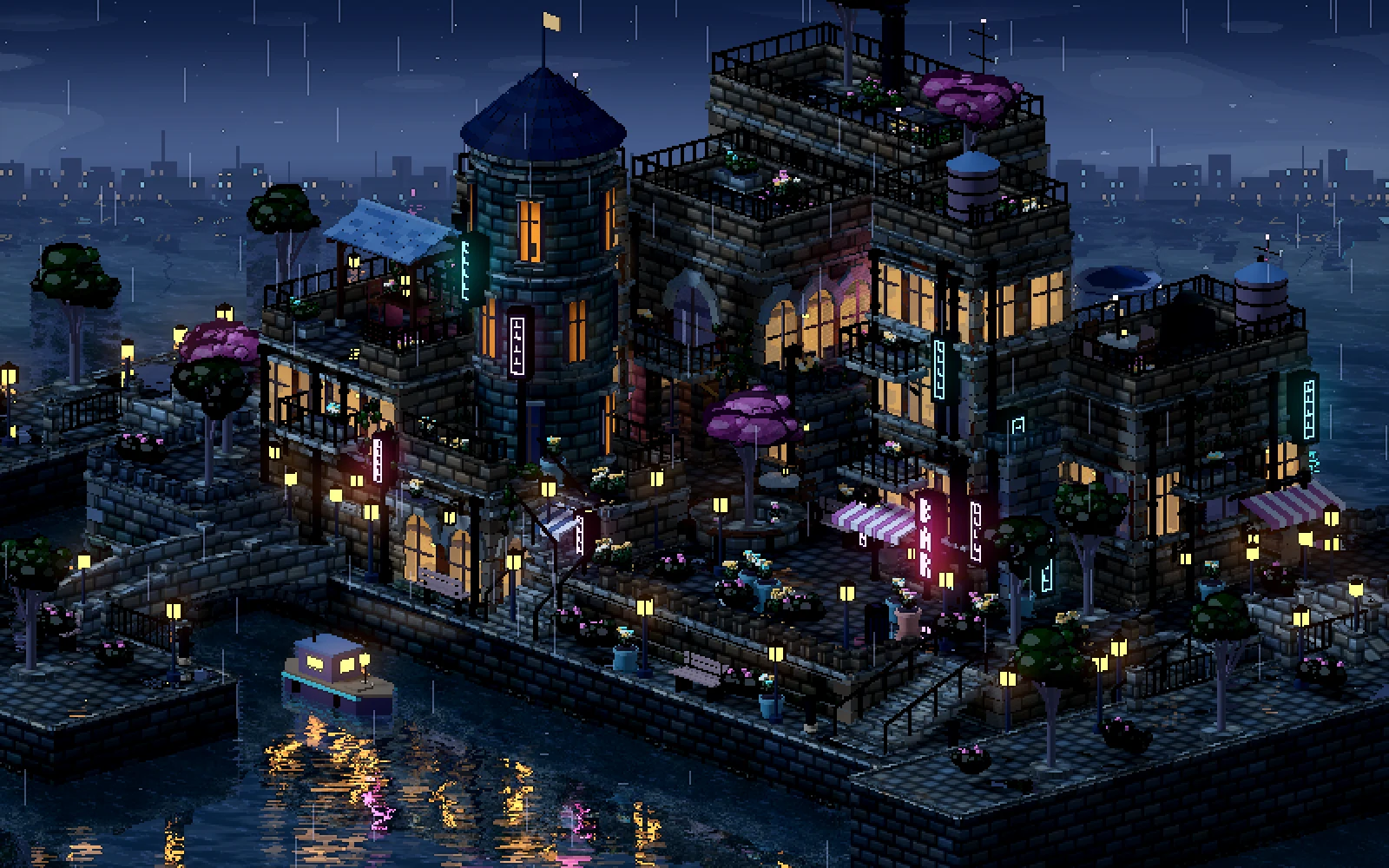
From the first rooftop to a town with a voice of its own.
67 minutes of rabbit holesThe development journal
It started with a rooftop,
and one problem led to the next.
Read from the start, or jump to whatever catches your eye.
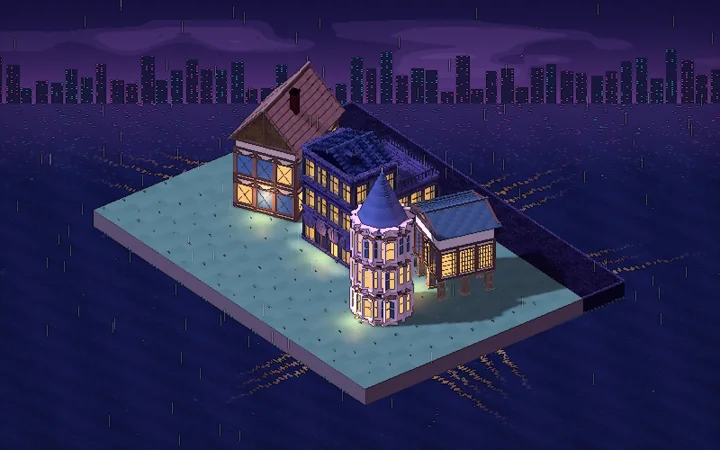
A town with no to-do list.
The first rooftops, and the serious engineering underneath a town that is meant to be unserious.
Read the chapter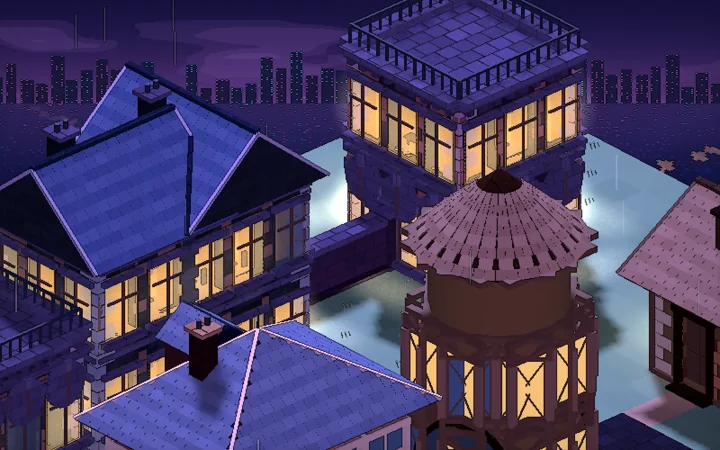
When buildings learned to meet.
Hidden walls, roofs that stop at their neighbours, and details generated from how buildings touch.
Read the chapter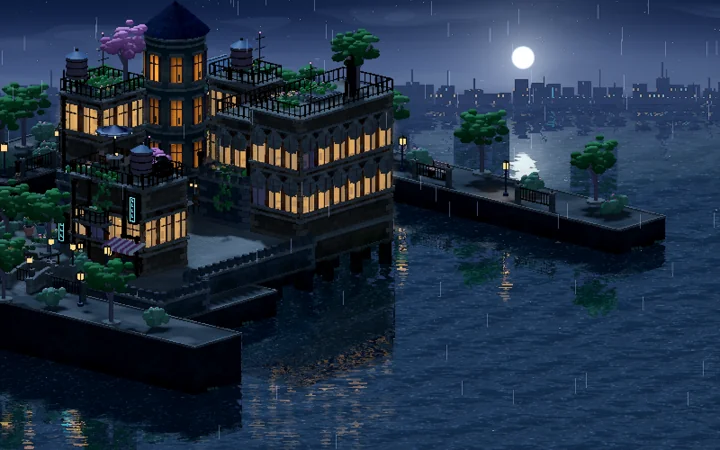
Teaching the night to glow.
Hundreds of glowing fixtures on sixteen real lights, and a bug that only showed up when something moved.
Read the chapter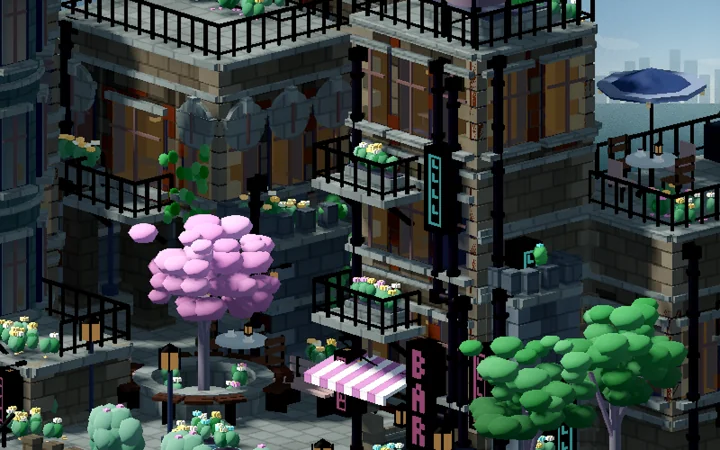
The city is in the details.
Getting bricks and painted walls to agree, putting dirt where it belongs, and making detail hold up at normal zoom.
Read the chapter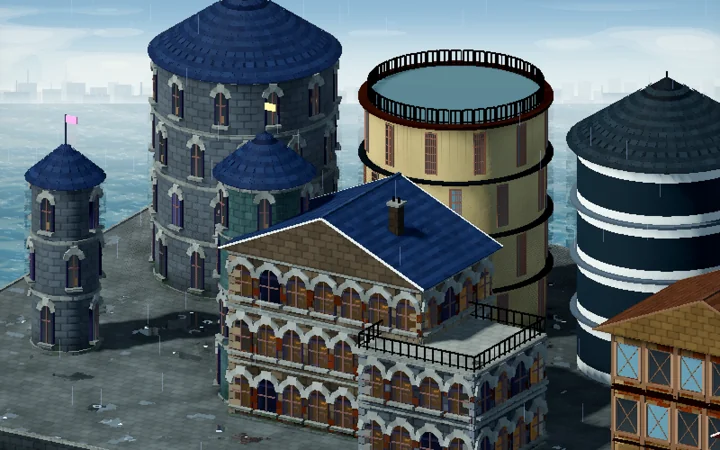
Big buildings, little lies.
The arch that was really a disc, the tower that was eight flat walls, and why bigger buildings needed different rules.
Read the chapter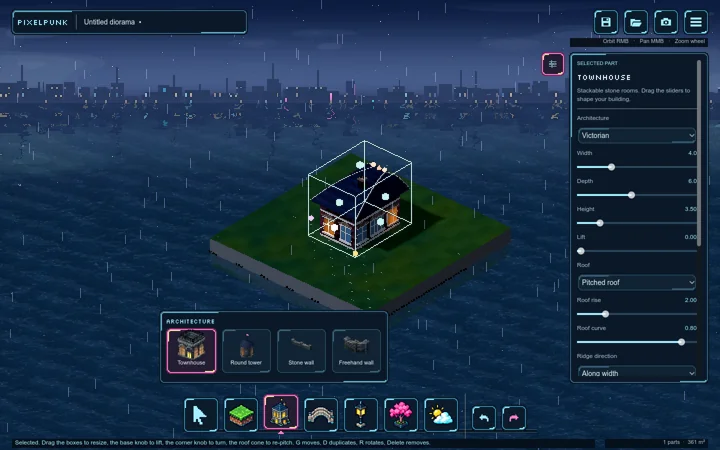
Making the mouse feel right.
A drag harness, a frame budget that wouldn’t quite give, and construction animations that also changed when rebuilds get paid for.
Read the chapter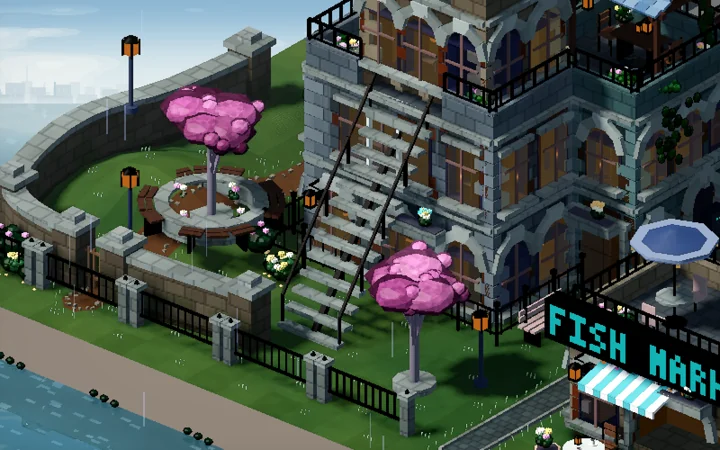
The town meets you halfway.
Placement that suggests a fix, paths that turn into steps and stepping stones, and a spiral staircase that came out of a simple connection gesture.
Read the chapter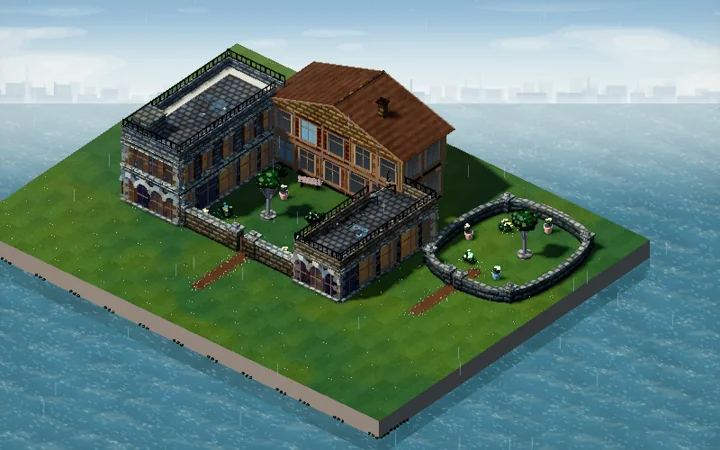
A little room for life.
Leaving space, balancing things slightly off, one particular duck, and where the experiments stop and finished features begin.
Read the chapter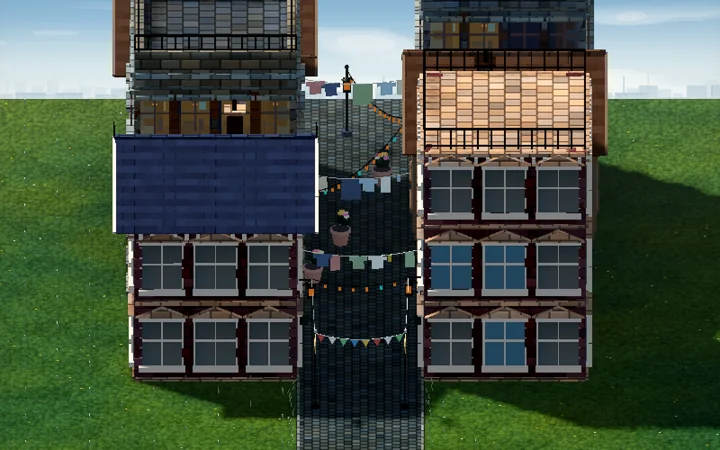
A place for the mess.
Rerolling a courtyard, finding room for a crate, and teaching plants where they can grow.
Read the chapter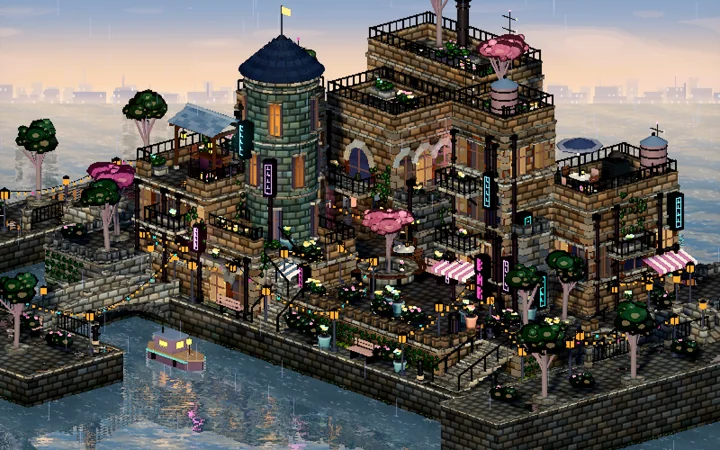
The town finds its voice.
Construction clicks, a score that makes room for the mouse, and lamps that ease into the evening.
Read the chapter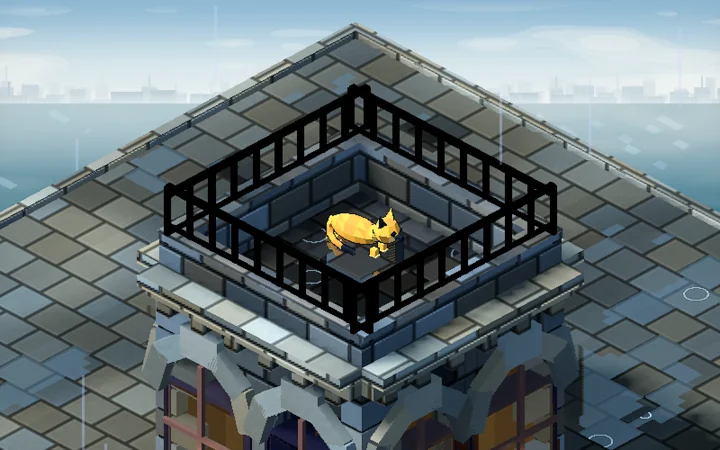
Someone has moved in.
Bird habitats, a cat with an umbrella, and little starting scenes that suggest something to try.
Read the chapter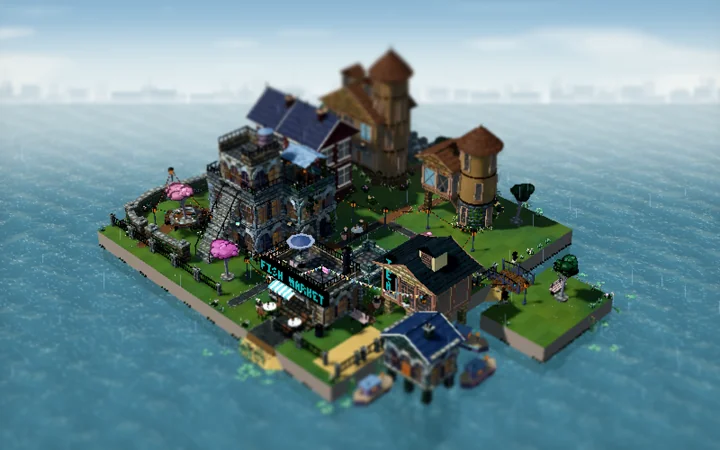
A different way to look.
A softer look costs more than expected, and perspective makes a lovely model while complicating the view used for building.
Read the chapter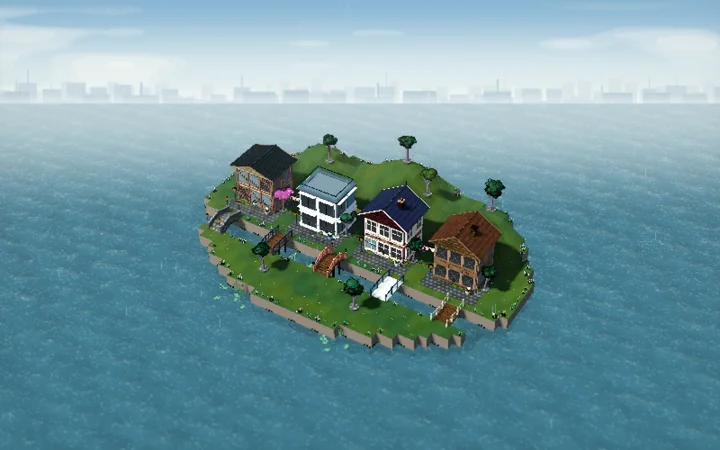
Letting the town settle.
Creatures in normal play, a photo camera that gives your view back, and the window bug that had been dimming the town.
Read the chapter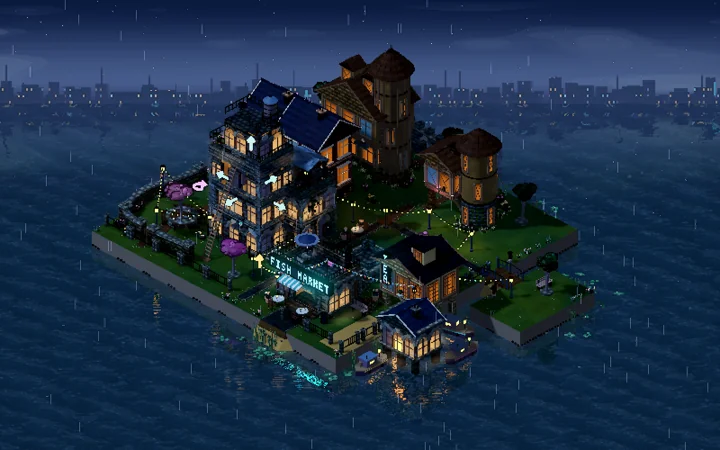
Keep the house in your hand.
Arrow handles, buildings that grow during a drag, a quieter selection highlight, and a closer look at the hitches.
Read the chapter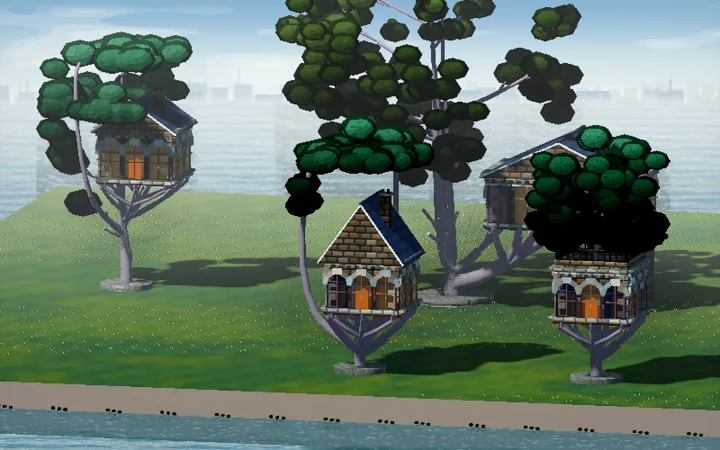
A house in the branches.
An Amsterdam canal scene exposes the old tree limit. Growing branches and timber supports open up a much taller kind of neighbourhood.
Read the chapter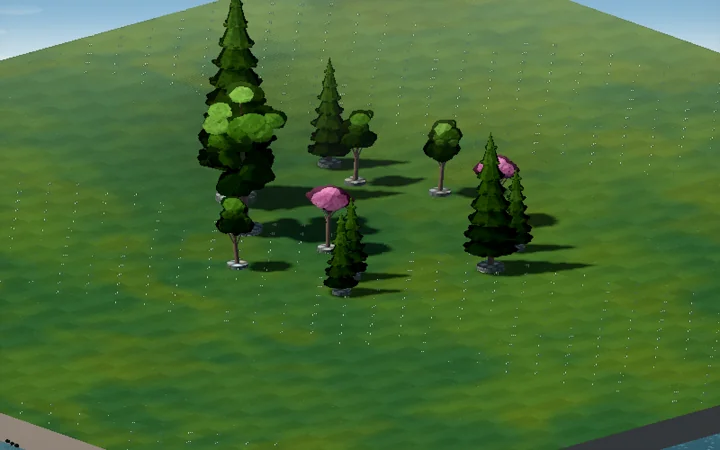
Watching the trees grow.
Fuller crowns, a new evergreen, branches that grow when planted, and an interface that leaves more of the town in view.
Read the chapterMaking room for beauty.
What the next art pass aims to change, what it needs to protect, and how the results will be judged.
The latest chapter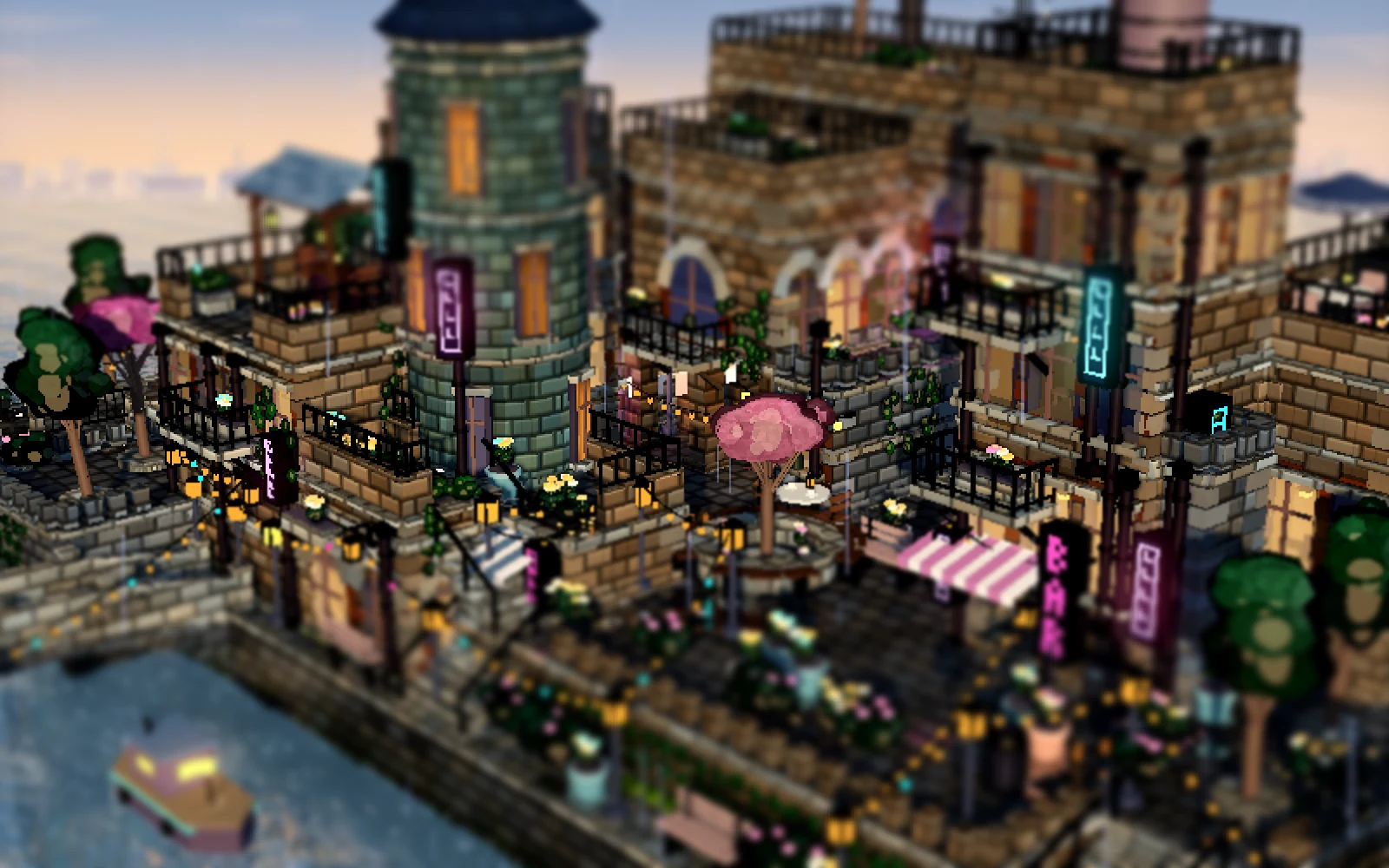
Straight from the project notes.
Every chapter draws on the development notes and real captures, and the failed experiments and unfinished edges are left in.